
Featured Summary
If you want to boost your website’s visibility and get listed in Google rankings in 2025, mastering Off-Page SEO Techniques is essential. These are the external activities, like building quality backlinks, increasing brand mentions, engaging social signals, and improving E-E-A-T (Experience, Expertise, Authoritativeness, Trustworthiness. These tell search engines your site is dependable and worth showing. This guide will walk you through the Top 10 Off-Page SEO Techniques in 2025 in a clear, step-by-step way, so you can apply them effectively and see real results.
Understanding Off-Page SEO and Why It Matters
What is Off-Page SEO?
Off-Page SEO techniques refer to all the actions you take outside your website to influence search engines’ how to view your site’s reputation, authority, and relevance. It goes beyond on-page SEO (which deals with content, meta tags, URLs, and internal links) to external signals.
For example: another site linking to yours, a brand mention on a forum, a high-quality guest post, or social sharing of your content, all these count as off-page signals.
Why Off-Page SEO Techniques is Critical in 2025
Search engines continue to change, but one thing remains constant: they want to serve users the best, most trustworthy, relevant content. Off-Page SEO helps you convey trust and authority. Here’s why:
- Backlinks from trustworthy websites act like votes of confidence for your site. backlinko.com+1
- Brand mentions and external signals help search engines associate your site with real-world reputation. echoVME Digital+1
- Google’s guidelines emphasise experience, expertise, authoritativeness, and trustworthiness (E-E-A-T), many of those signals are created on your own site. ladybugz.com+1
How Off-Page SEO and On-Page SEO Work Together
It’s not enough to only do off-page or only on-page?. No, they combine to create results. A great piece of on-site content + strong off-page signals = much better chances of ranking. According to one guide: “The strategies in this guide should give you everything you need to start improving your site’s off-page SEO signals.” backlinko.com
With that foundation, let’s move into the 10 off-page SEO techniques you should focus on in 2025.
The Top 10 Off-Page SEO Techniques in 2025
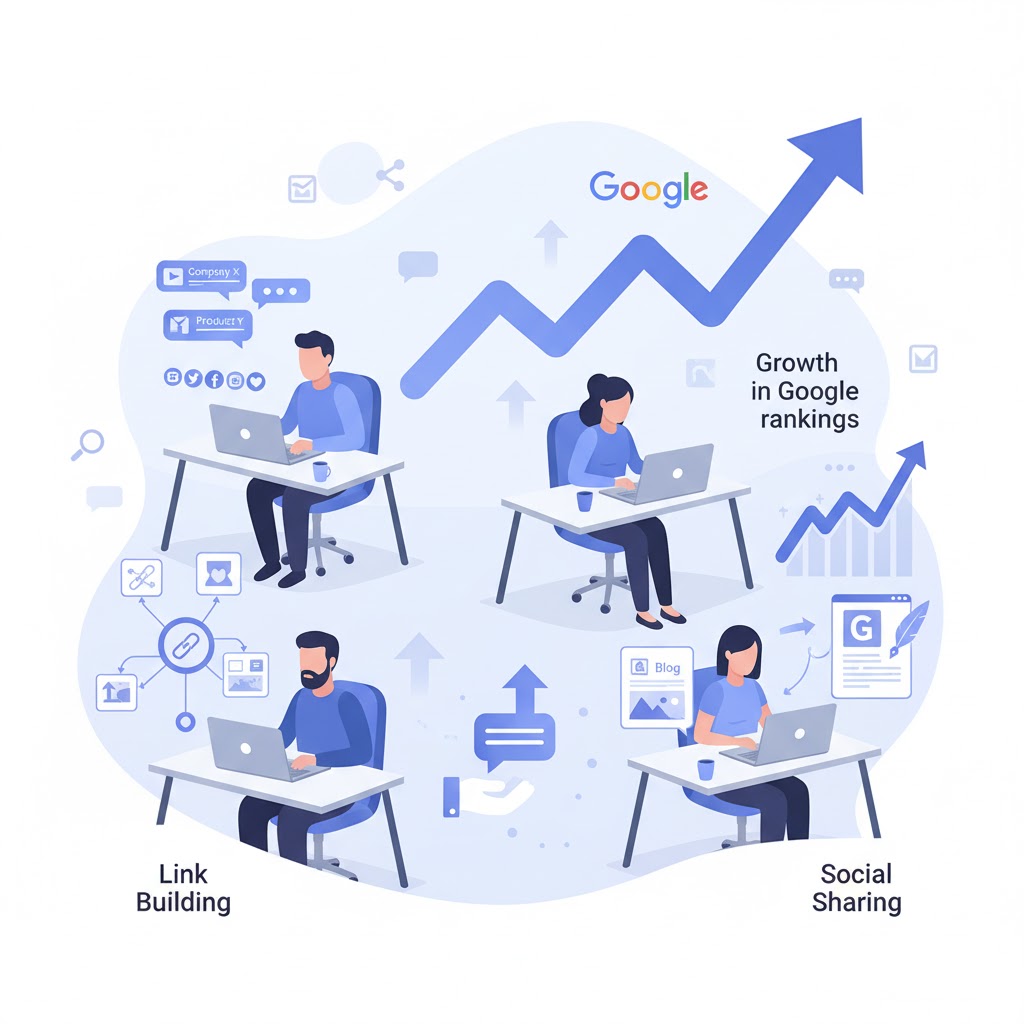
Below are ten proven off-page SEO techniques. Each section includes what it is, why it works in 2025, and how to implement it.
1. Build High-Quality Backlinks
What is it?
Building high-quality backlinks means getting other sites to link to your site, especially sites that are authoritative, relevant to your niche, and trustworthy.
Why it works?
Backlinks remain one of the strongest off-page SEO techniques for search engines. Simply put: if good sites link to you, Google sees you as more credible.
How to implement
- Identify relevant authoritative sites in your niche.
- Create link-worthy content (data, research, guides) that others will want to cite.
- Use outreach: contact the webmaster, offer value, request a link when appropriate.
- Track your backlinks and assess quality (domain authority, relevance).
- Avoid spammy links, link farms, or irrelevant low-quality links (these may harm you).
2. Guest Posting and Contributor Outreach
What is it?
Guest Posting and Contributor Outreach is writing articles for other websites (in your industry or niche) where you include a link back to your site or brand mention.
Why does it work?
Guest posts help you tap into new audiences, get links, and build brand mentions. They also signal as authority.
How to implement?
- Find relevant sites accepting guest posts.
- Pitch unique ideas aligned to their audience.
- Create high-quality, valuable content; it should not be just linkbait.
- Ensure your author bio and links look natural and relevant.
- Monitor the performance: traffic, engagement, and backlinks.
3. Brand Mentions & Unlinked Mentions
What is it?
When your brand or website is mentioned on other domains, even if there’s no link. Search engines increasingly treat mentions as signals of reputation.
Why does it work?
Mentions—linked or unlinked—help build your site’s association with real-world entities. This contributes to trustworthiness and authority.
How to implement?
- Monitor brand mentions via tools (Google Alerts, brand monitoring).
- When you find unlinked mentions, reach out and politely request conversion to links (if appropriate).
- Engage with press, industry blogs, and interviews to increase mentions.
- Encourage customers, partners, influencers to mention your brand/site.
4. Social Signals & Content Amplification
What is it?
Sharing your content on social platforms, driving engagement (likes, comments, shares), and reaching broader audiences.
Why does it work?
Though social metrics are not firmly confirmed as direct ranking factors, they do increase visibility, traffic, and likely indirect linking or mentions.
How to implement?
- Share every new piece of content on major platforms (LinkedIn, Twitter/X, Facebook, Instagram, if relevant).
- Encourage sharing by adding social share buttons on your pages.
- Interact with your audience, reply to comments, create community.
- Repurpose content for multiple platforms (e.g., blog → LinkedIn article → short post).
- Track traffic and engagement from social.
5. Create Link-Worthy Assets (Data, Research, Tools)
What is it?
Developing unique resources, like studies, reports, interactive tools, and calculators, that naturally attract links because other sites reference them.
Why does it work?
Sites are more likely to link to content that offers original insight or utility. According to a guide, “content with high information gain can dramatically increase the odds that people link to you.”
How to implement?
- Identify gaps in your industry where no one has compiled data or built a useful tool.
- Invest time in quality- design, usability, accuracy.
- Promote your strength via email outreach, social, and relevant communities.
- Encourage embedding (for tools) or citation (for research) by providing code or a snippet.
- Monitor backlinks gained from the asset.
6. Improve E-E-A-T via External Signals
What is it?
E-E-A-T = Experience, Expertise, Authoritativeness, Trustworthiness. These are signals that help search engines judge the quality of your site. Off-page SEO techniques help build them.
Why does it work?
Search engines look for cues beyond just keywords: Is the content created by someone with experience? Are others referencing you? Do people trust you? Off-page signals help show that.
How to implement?
- Secure author bylines or bios for content creators showing their credentials/experience.
- Get mentions or links from industry authorities, news outlets, and credible blogs.
- Encourage reviews, testimonials, and case studies.
- Participate in interviews, podcasts, and forums to demonstrate subject-matter experience.
- Ensure your website has clear policies, transparent contact info, and secure connections (HTTPS) to build trust.
7. Diversify Link Sources & Use Niche Mentions
What is it?
Instead of only focusing on links from major generic sites, you build links and mentions from a variety of sources (blogs, forums, podcasts, niche directories) that are relevant to your industry.
Why does it work?
Link diversity is important: search engines look at a wide pattern of signals, not only big links. Niche-relevant mentions show your site truly fits your topic.
How to implement?
- Audit your current backlinks: check for over-reliance on one type of source.
- Seek links from smaller niche blogs, local industry directories, and relevant forums.
- Use podcast guesting, event sponsorships, and webinar partnerships.
- Ensure anchor text is natural, varied, and relevant.
8. Local Off-Page Signals & Citations (if Applicable)
What is it?
If your business has a local presence, building directory listings, citations (name-address-phone), local backlinks, and mentions helps strengthen your local credibility.
Why does it work?
For local queries, search engines consider local signals more. Also, local credentials and reviews are off-page signals of your real-world presence.
How to implement?
- Claim and optimise your profile on local platforms (for example, Google Business Profile).
- Ensure NAP (Name-Address-Phone) consistency across listings.
- Get featured in local news, community blogs, and event sponsorships.
- Encourage happy customers to leave reviews on trusted platforms.
- Use localised outreach: local bloggers, chambers of commerce, local business associations.
9. Monitor & Remove Toxic Links / Reputation Management
What is it?
Keeping an eye on your backlink profile, spotting low-quality or toxic links that might harm your site’s reputation, and cleaning them up or disavowing if needed.
Why does it work?
Search engines can penalise or downgrade sites that seem spammy or untrustworthy. Off-page SEO includes not only building good signals, but also ensuring bad signals are minimised. sitecentre.com.au
How to implement?
- Use backlink-analysis tools to audit your links regularly.
- Identify links from sites that are low-quality, irrelevant, or appear spam-based.
- Reach out to webmasters to remove bad links or use Google’s Disavow tool cautiously if necessary.
- Monitor your brand for negative mentions and address them (e.g., respond to reviews).
- Maintain positive reputation and trust signals regularly.
10. Repurpose & Amplify Content for External Platforms
What is it?
Taking your high-value content and rewriting or adapting it for other platforms (like Medium, LinkedIn, SlideShare, podcasts, and YouTube) to gain external exposure, links, and mentions.
Why does it work?
This technique increases reach, diversifies how and where your content appears, and creates external footprints (links/mentions) that signal authority. Also, it helps tap into audiences you may not have reached.
How to implement?
- Select a strong piece of content on your site.
- Adapt it for a platform (e.g., convert to a LinkedIn article, embed a video, create a podcast episode).
- Ensure links back to your original content in those external versions.
- Promote the external version and track traffic and links.
- Consider guest appearances, webinars, Q&A sessions around the content.
How Can You Put It All Together and Future-Proof Your SEO Strategy for 2025?
Creating Your Off-Page SEO Workflow
Here’s a simple workflow you can adopt:
- Audit your current off-page status: backlinks, mentions, citation profile, and reputation.
- Select your target techniques from above (choose 2-3 to start).
- Set goals: e.g., “Build 10 new high-quality backlinks by the end of the quarter”, “Secure 5 brand mentions in industry blogs”, etc.
- Create assets: link-worthy content, guest post proposals, outreach templates.
- Outreach & execution: pitch sites, publish guest content, promote on social media.
- Track & monitor use tools to track backlink growth, referral traffic, brand mentions, and social engagement.
- Clean up: spot toxic links, fix or reject if needed.
- Review & iterate monthly or quarterly.
Measuring Success: What Metrics Matter?
- Number of high‐quality backlinks (relevant, authoritative domains).
- Growth in referring domains.
- Increase in brand mentions (linked and unlinked).
- Referral traffic from external sources.
- Engagement and shares of content on social platforms.
- Improvement in search rankings for target keywords.
- Signals of E-E-A-T: mentions on trusted sites, author credentials, positive reviews.
- Reduced number of toxic links or spammy external signals.
Future-Proofing for 2025 and Beyond
Search engines and AI answer engines are evolving. Here are key considerations:
- Search intent and user experience matter more than ever. Content must answer real questions. Wishpond Blog
- Generative search and answer engines (AEO — Answer Engine Optimization) emphasise structured, clear answers to user queries. Wikipedia
- Quality beats quantity: Avoid spammy link practices or manipulative tactics. They may backfire. The Verge
- Off-page signals will increasingly include brand reputation, mentions across varied platforms, and how users engage with your content.
- Keep updating your external assets and outreach strategies that as what works today may need adaptation tomorrow.
Common Mistakes to Avoid
- Relying solely on low-quality links from irrelevant sites.
- Ignoring unlinked brand mentions.
- Neglecting your reputation and reviews.
- Thinking off-page means “set and forget”. It’s ongoing.
- Publishing guest posts that provide little value, thinking search engines can recognise low-quality content.
- Forgetting to monitor and clean up toxic/backlinks that may harm you.
10 FAQs People Ask Frequently
1. What are Off-Page SEO Techniques, and why are they important in 2025?
Off-Page SEO Techniques are strategies performed outside your website, like backlink building, social engagement, and brand mentions, to boost your site’s authority. In 2025, they’re crucial because search engines prioritize trust, reputation, and user signals to determine top-ranking sites.
2. What is the difference between On-Page SEO and Off-Page SEO?
On-Page SEO focuses on optimizing your own website this will includes content, keywords, and structure, while Off-Page SEO Techniques build your site’s reputation through external actions like backlinks, guest posts, and mentions. Both work together to improve your overall search visibility.
3. Which Off-Page SEO Techniques give the fastest results?
Quality backlinks from trusted sites, guest posting on authority blogs, and consistent social media promotion often bring the fastest visibility boosts. However, sustainable Off-Page SEO success comes from ongoing link-building and reputation management.
4. How can I get high-quality backlinks safely?
You can earn quality backlinks by creating original content, publishing guest posts on relevant websites, conducting industry research, or building tools others can reference. Always avoid spammy link exchanges or paid links because they can hurt rankings instead of helping.
While social shares aren’t direct ranking factors, they increase visibility and engagement. More people see, share, and link to your content—creating strong indirect SEO benefits through referral traffic and natural backlinks.
6. What role does E-E-A-T play in Off-Page SEO?
E-E-A-T (Experience, Expertise, Authoritativeness, and Trustworthiness) is at the heart of Google’s ranking system. Off-Page SEO Techniques, like mentions on credible sites, guest author bios, and reviews, help prove your authority and trustworthiness to both users and search engines.
7. How do I track my Off-Page SEO performance?
Use tools like Ahrefs, SEMrush, or Google Search Console to track backlinks, referring domains, and brand mentions. You can also monitor traffic spikes from external sites and check your keyword ranking improvements over time.
8. What are toxic backlinks, and how can I remove them?
Toxic backlinks come from spammy, irrelevant, or low-quality sites that can harm your SEO rankings. To fix this, contact the site owner to remove them or use Google’s Disavow Tool. Regular backlink audits are essential to maintain a healthy profile.
9. How often should I update my Off-Page SEO strategy?
It’s best to review your Off-Page SEO Techniques every quarter. Search trends and algorithms evolve, so refreshing your outreach list, updating content, and diversifying link sources keep your strategy effective in 2025.
10. Can I rank on Google without Off-Page SEO techniques?
It’s unlikely. Even the best on-page optimization needs external authority signals to rank competitively. Off-page SEO techniques such as backlinks, social engagement, and brand mentions are vital to building that trust Google looks for in top-ranking pages.
Final Thoughts
Mastering off-page SEO techniques in 2025 means more than just building links. It is about building trust, authority, and reputation across the web. By using the above ten techniques and maintaining a consistent workflow, tracking your progress, and adapting to new changes in search behaviour and AI answer engines, you can significantly improve your chances of ranking highly, driving real traffic, and establishing your site as a trustworthy leader in your niche. Start implementing today, measure your results, and keep iterating for long-term success.
For other SEO techniques, like SEO for Freelance Digital Marketers in the UAE: How to Rank Your Own Website, visit my Blog page, Digital Geetha.